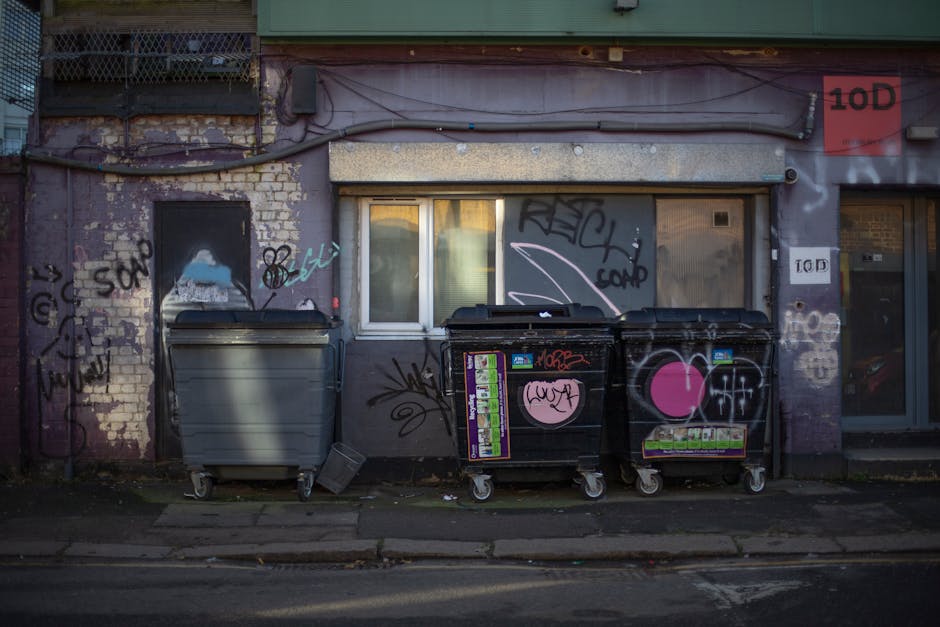
Commercial waste rules for Dulwich businesses (Southwark)
If you run a shop, office, cafe, studio, salon, workshop, or managed property in Dulwich, commercial waste is one of those behind-the-scenes jobs that can quietly become a headache. Miss the basics and you risk messy bins, unhappy neighbours, avoidable costs, and, in some cases, compliance trouble. Get it right and everything feels calmer: collections are smoother, storage is tidier, and waste stops stealing time from the actual business.
This guide explains the commercial waste rules for Dulwich businesses (Southwark) in plain English. You will see what counts as business waste, how collection and segregation usually work, what to watch for in day-to-day operations, and how to avoid the most common mistakes. It is practical, local-minded, and written for real premises, not theoretical ones. Because let's face it, the bin area is rarely glamorous, but it does say a lot about how a business runs.
For businesses that want help with regular clearance and removal, it may also be useful to look at business waste removal and the wider waste removal service information on the site.
Table of Contents
- Why commercial waste rules matter
- How commercial waste works in practice
- Key benefits and practical advantages
- Who this is for and when it makes sense
- Step-by-step guidance
- Expert tips for better results
- Common mistakes to avoid
- Tools, resources and recommendations
- Law, compliance, standards, or best practice
- Options, methods, or comparison table
- Case study or real-world example
- Practical checklist
- Conclusion
- Frequently asked questions
Why Commercial waste rules for Dulwich businesses (Southwark) Matters
Commercial waste rules exist for a simple reason: business waste is not the same as household waste. If a business produces it, the business has responsibilities around storage, collection, segregation, transfer, and disposal. In a place like Dulwich, where you may be working on tight streets, shared access, or mixed-use buildings, those responsibilities become even more noticeable.
Why does this matter so much? First, it keeps your premises manageable. Overflowing waste creates smells, attracts vermin, and can frustrate staff and customers. Second, it supports good local relations. If your bins are blocking a pavement or your cardboard keeps blowing down the road in the wind, people notice. Third, it helps you stay on the right side of Southwark expectations and wider UK waste rules.
There is also a business angle that people often underestimate. Waste handling affects operations. A cafe with poor food-waste storage may end up with more cleaning time. An office with badly sorted recycling can pay more than necessary. A contractor leaving rubble or mixed debris on site can create delays and safety issues. Small things, really, but they add up fast.
Expert summary: The cleanest waste system is usually the simplest one: separate waste streams early, store them safely, and arrange reliable collection before the space starts to feel cramped.
If your business is disposing of old desks, chairs, shelving, or office fit-out waste, it may also help to review office clearance and furniture disposal options, especially when you are replacing bulky items rather than just emptying bins.
How Commercial waste rules for Dulwich businesses (Southwark) Works
At a practical level, commercial waste handling follows a few consistent steps. The exact arrangements vary depending on the premises and waste type, but the basic pattern is familiar across most Dulwich businesses.
1. Identify what waste you produce
Start with the simple question: what actually leaves your site each week? Typical business waste includes paper, cardboard, packaging, mixed general waste, food waste, confidential paperwork, scrap materials, and occasional bulky items. Some businesses also generate specialist streams, such as builders' rubble, plasterboard, or old fixtures.
Do not guess. A quick walk-through of a normal week is usually enough to reveal the real picture. In our experience, the surprise is rarely the office paper. It is the packaging, the broken bits of furniture, the half-finished stock delivery, or the pile of "we will deal with it later" items quietly growing in the corner.
2. Separate recyclable and non-recyclable material
Good separation is the backbone of compliant business waste management. Cardboard and paper should not be mixed with food waste if you can avoid it. Construction debris should not be hidden in general waste. And confidential material should be treated carefully rather than dumped loose into a shared bin.
3. Store waste safely on site
Commercial waste should be stored where it will not create hazards. That means keeping bins closed where possible, protecting waste from rain and pests, and making sure access routes stay clear. In a small Dulwich unit, this can be the difference between a neat rear yard and a cluttered pinch point that irritates everyone by Friday afternoon.
4. Use an appropriate collection arrangement
Businesses normally need a collection setup that fits the amount and type of waste they generate. Some need regular scheduled pickups. Others need occasional bulk clearances after a refit, relocation, or seasonal clean-out. A restaurant, for example, may need frequent food-waste control, while a design studio might only need monthly removal of packaging and old furniture.
For premises that produce mixed commercial waste alongside bulky items, the service pages for business waste removal and office clearance are a useful starting point.
5. Keep records and receipts
Good waste management is not just physical; it is administrative too. Keep waste transfer notes, invoices, and any relevant paperwork. That paper trail matters if you ever need to show how waste has been handled. It also helps when you are reviewing costs or checking whether your current setup still makes sense.
Key Benefits and Practical Advantages
Following commercial waste rules is not only about avoiding problems. Done properly, it gives you real operational advantages.
- Cleaner premises: staff and visitors move through a tidier, safer environment.
- Better compliance: you reduce the risk of mistakes around storage and disposal.
- More efficient collections: sorted waste is easier to handle and often less wasteful overall.
- Improved sustainability: separating recyclable streams supports better resource recovery.
- Fewer disruptions: you are less likely to have waste building up before a busy day.
- Stronger brand impression: clients notice when a business is organised, even if they never say it out loud.
There is also a less obvious benefit: morale. Staff generally work better in a place that feels under control. Nobody likes stepping around a leaning tower of boxes near the back door. It sounds minor, but it changes the feel of a workplace.
If your business regularly clears out worn chairs, broken reception furniture, or old storage units, a dedicated approach to furniture clearance can prevent waste from creeping into work areas for days on end.
Who This Is For and When It Makes Sense
This topic matters to a wide range of Dulwich businesses, and not just the obvious ones.
Retail and hospitality premises
Shops, cafes, delis, bakeries, pubs, and restaurants usually produce mixed waste, packaging, and food-related waste. Storage and collection timing really matter here, because odour and hygiene issues can escalate quickly.
Offices and co-working spaces
Office waste tends to be lighter, but it still needs structure. Paper, cardboard, old IT packaging, obsolete furniture, and fit-out leftovers can pile up in surprising ways. A tidy office often starts with one honest review of what is taking up storage space.
Trades, builders, and property teams
If your team is carrying out refurbishments, repairs, or strip-outs, you may produce heavier waste streams such as timber, plasterboard, tiles, or mixed construction material. That is where disciplined sorting becomes especially important. Builders waste clearance is the sort of service many teams use when the job site starts looking more like a skip than a workspace.
Landlords, managing agents, and landlords' offices
Managed properties often need ad hoc clearances after tenant move-outs, maintenance works, or end-of-lease clean-ups. In these cases, you may be handling furniture, mixed rubbish, and occasional bulky items rather than daily bin waste.
Small and micro businesses
Even the smallest business can produce commercial waste rules headaches if the waste area is not planned properly. A home-based business with stock, packaging, or repeat collections may also need a cleaner system than it first expects. Truth be told, it is easy to underestimate how much cardboard two people can create in a week.
For larger or more varied domestic-commercial crossover clearances, services such as home clearance or house clearance may be relevant when a business premise is linked to a live-work setup or a small property portfolio.
Step-by-Step Guidance
If you want a straightforward way to get your commercial waste arrangements under control, start here.
- List every waste stream you generate. Include day-to-day bin waste, recycling, food waste, bulky waste, and occasional one-off items.
- Measure volume by reality, not guesswork. Look at what fills up in a normal week, not the best-case week.
- Check where waste is stored. Is it safe, accessible, and out of the way of staff and customers?
- Separate materials at source. Put clearly labelled containers where waste is actually created.
- Set a collection rhythm. Daily, weekly, fortnightly, or ad hoc depending on the waste type and business pace.
- Keep paperwork together. Invoices, transfer notes, and service records should not live in different drawers or be left in email limbo.
- Review after busy periods. After a refit, seasonal peak, or stock changeover, reassess whether your setup still works.
A useful rule of thumb: if your waste system relies on staff "just knowing what to do," it is probably too loose. Clear labelling and obvious bin placement do most of the heavy lifting.
Expert Tips for Better Results
These are the small things that often make the biggest difference.
Make the bin area part of the workflow
Do not hide waste management at the edge of operations. If people have to walk a long way or open several doors just to dispose of packaging, they will delay it. Then the pile grows. Keep the waste point logical and easy to use.
Use consistent labels
One bin marked "mixed recycling" and another marked "recyclables" may sound harmless, but people get muddled fast. Use simple wording and the same colours or labels wherever possible.
Watch for contamination
One badly placed item can ruin a whole recycling load. Coffee cups in cardboard, food residue in mixed recycling, paint tins in general waste. It happens all the time. A five-second check beats a full bin rejection.
Plan around opening hours
Collection timing can affect customers and deliveries. In a busy Dulwich street, there may be awkward loading windows, traffic restrictions, or just the practical reality that nobody wants a bin lorry blocking the entrance at 8:30am. Build your schedule around the rhythm of the business.
Think beyond the bin
Some of the biggest waste problems are not bin waste at all. They are old filing cabinets, broken chairs, damaged stock shelves, or leftover materials after a move. That is why many businesses combine regular collections with occasional clearances.
Where recycling and reuse are priorities, it can be worth reviewing the business's approach to recycling and sustainability so the whole setup feels more intentional and less pieced together.
Common Mistakes to Avoid
Most waste-related problems come from a few predictable habits. The good news is that they are fixable.
- Mixing waste types together. This is the classic one. It makes disposal harder and can push up cost and hassle.
- Leaving bulky waste in corridors or loading areas. It looks untidy and can become a trip hazard very quickly.
- Assuming household rules apply to business waste. They do not, and that mistake can cause unnecessary trouble.
- Not checking access for collections. A locked gate, parked van, or blocked route is enough to derail a planned pickup.
- Forgetting about one-off clearances. Businesses are good at routine. It is the odd jobs that slip through the net.
- Failing to keep records. Paperwork may feel dull, but it saves real stress later.
One mistake that crops up more than people expect: storing waste "temporarily" beside the back door for a week or two. Temporarily has a funny habit of becoming permanent. Not ideal.
Tools, Resources and Recommendations
You do not need a complicated system. You need a usable one.
- Clear signage: simple labels for waste, recycling, food waste, cardboard, and bulky items.
- Basic floor plan: a simple layout showing where waste is stored and who can access it.
- Collection log: a shared spreadsheet or notebook with dates, quantities, and notes.
- Staff induction notes: a short guide for new employees or contractors on how waste should be handled.
- Occasional site reviews: a ten-minute check every few weeks to spot overflow or contamination issues.
For businesses with occasional larger clear-outs, it may be useful to keep a relationship with a provider that can handle both routine waste and ad hoc removals. The site pages for pricing and quotes and contact us can help when you are ready to ask about a specific job.
If your waste includes old mixed furniture or fitted items, especially during moves or refurbishments, keep an eye on services such as furniture clearance and the more general office clearance support available.
Law, Compliance, Standards, or Best Practice
Commercial waste handling in the UK sits within a broader legal and practical framework. The precise obligations can vary depending on the waste type, how much you produce, and how it is collected, so it is wise to treat compliance as an ongoing responsibility rather than a one-time tick box.
In plain terms, businesses should:
- store waste safely and keep it under control;
- separate recyclable material where appropriate;
- use a proper transfer and collection process;
- avoid fly-tipping or careless disposal;
- keep records of how business waste is moved and handled;
- take extra care with bulky, hazardous, or specialist waste.
Best practice is often stricter than the bare minimum. For example, a business may technically be able to combine some waste streams, but that does not mean it is wise to do so. Better segregation usually means cleaner storage, easier collection, and fewer surprises. And fewer surprises is very nice indeed when you have a full trading day ahead.
Where safety matters, particularly for staff moving waste through narrow spaces or shared access routes, it is sensible to align with your internal health and safety policy and any site-specific procedures. For businesses that use contractors, checking insurance and safety arrangements is also part of good management, not just paperwork.
For any business handling confidential paperwork, old files, or sensitive office material, the disposal process should be more careful than a normal bin run. The content here is general guidance, not legal advice, so if your situation is unusual or high-risk, it is sensible to get tailored advice before disposing of material.
Options, Methods, or Comparison Table
There is no single best method for every Dulwich business. The right choice depends on waste type, frequency, access, and how much time your team wants to spend managing it.
| Option | Best for | Strengths | Limitations |
|---|---|---|---|
| Scheduled commercial waste collections | Shops, cafes, offices, and regular producers | Predictable, tidy, easy to budget around | Less flexible for bulky or one-off items |
| Ad hoc clearance visits | Moves, refurbishments, stock changes, and clear-outs | Good for mixed or bulky waste, quick reset of space | Not ideal for ongoing daily waste |
| In-house waste handling only | Very small-volume businesses | Simple at first, low external involvement | Can become messy, time-consuming, and hard to scale |
| Combined routine plus occasional clearance | Most growing businesses | Balanced, flexible, practical | Needs a bit of planning and review |
As a practical matter, the combined model works well for many Dulwich businesses. You keep routine collections under control, then book a larger clearance when a refit or seasonal reset makes the space feel full. That way the office does not quietly become a storage unit.
Case Study or Real-World Example
Here is a realistic local-style example. A small Dulwich design studio moved into a compact ground-floor unit with a shared rear yard. At first, the team handled waste informally: a cardboard box for paper, a mixed bin for everything else, and a growing pile of packaging after deliveries. It worked for about two weeks. Then the boxes started stacking up near the back wall, someone knocked a bag over, and the space felt cramped.
The fix was straightforward. The business separated cardboard from general waste, introduced clearer labels, and arranged a more regular collection routine. They also scheduled a one-off clearance for old shelving and damaged chairs that had been sitting around "for later." Once that happened, the room changed completely. It felt brighter, easier to clean, and less like something was waiting to go wrong.
Nothing dramatic. No big transformation speech. Just a sensible reset. And honestly, that is how most waste problems get solved in real life.
Practical Checklist
Use this checklist to review your setup.
- Have you identified every type of waste your business produces?
- Are recycling and general waste separated clearly?
- Is waste stored in a safe, accessible place?
- Are bins and containers labelled simply and consistently?
- Do staff know what goes where?
- Are collections timed to match your actual business activity?
- Do you keep records of waste collection and disposal?
- Have you planned for bulky items, refits, or end-of-lease clear-outs?
- Have you checked access routes for collection vehicles or operatives?
- Have you reviewed whether your current waste setup still suits the business?
If you can answer yes to most of those, you are probably in good shape. If not, start with the easiest fix first. Usually that is labels, then storage, then collection timing.
Conclusion
Commercial waste rules for Dulwich businesses (Southwark) are not there to make life difficult. They exist to keep premises safer, cleaner, and easier to manage. Once you understand the basics, the whole system becomes much less intimidating. Separate waste well, store it properly, keep records, and choose collection methods that match your actual needs. Simple on paper, but powerful in practice.
The businesses that get this right tend to feel more organised across the board. Waste stops being a recurring nuisance and becomes just another small part of a well-run site. That is the real goal, after all: fewer surprises, less mess, and a working environment that feels under control, even on a busy Monday morning.
If you are reviewing your setup or planning a clear-out, it is worth exploring the site's service pages and getting a tailored idea of what fits your premises best.
Get a free quote today and see how much you can save.
And if you are still unsure where to begin, start small. One sorted bin, one clearer storage area, one sensible collection plan. That is often enough to change the whole feel of the place.
Frequently Asked Questions
What counts as commercial waste for a Dulwich business?
Commercial waste is any waste produced by a business, office, shop, trade, or commercial activity. That can include paper, cardboard, food waste, packaging, damaged stock, old furniture, and refurbishment debris.
Do small businesses in Dulwich still need to follow business waste rules?
Yes. Even a very small business still produces commercial waste if the waste comes from business activity. The scale may be smaller, but the responsibility is still there.
Can business waste go in household bins?
Usually, no. Business waste should be managed separately from household waste. Mixing the two can create compliance problems and makes collection less reliable.
What is the best way to handle office waste in a compact space?
Use clearly labelled containers, keep recycling separate from general waste, and plan collection before the storage area becomes crowded. Compact premises need simple systems, not complicated ones.
How often should commercial waste be collected?
That depends on how much waste your business produces and the type of waste involved. Some businesses need frequent collections, while others only need periodic clearances. It is best to match frequency to real usage.
What should I do with old desks, chairs, or storage units?
Bigger items usually need a separate clearance rather than a normal bin collection. Furniture, shelving, and fit-out items are easier to handle when arranged as a dedicated clearance.
Is recyclable material treated differently from general waste?
Yes, in both best practice and practical handling. Separating recyclable material helps collection, reduces contamination, and often makes the whole waste process cleaner and easier to manage.
Do I need paperwork for business waste collection?
In most business settings, keeping records is part of sensible compliance. Invoices, transfer notes, and collection details help show how waste has been handled and make future reviews easier.
What if my business produces waste only occasionally?
Then ad hoc clearance may make more sense than a fixed collection schedule. Many businesses use routine services for daily waste and book occasional clear-outs for larger or one-off jobs.
Are builders' materials treated the same as office waste?
No. Builders' waste, such as rubble, timber, and mixed demolition material, needs a different approach from everyday office or retail waste. It is usually better to separate it and arrange the right type of removal.
How do I stop waste areas from getting messy so quickly?
Make the system obvious. Use visible labels, keep storage containers in the right place, and review waste levels before they spill into the work area. Small, regular attention beats big clean-ups later.
Where should I start if my current waste setup is not working?
Start with a waste audit: what you produce, where it goes, and how often it builds up. Once you can see the pattern, it becomes much easier to fix the weak points and choose the right service arrangement.
For businesses wanting a practical next step, browsing pricing and quotes or reading more about about us can help you understand the kind of support available before you make a decision.