Office Clearance in Dulwich

Office Clearance Dulwich provides a clear, organised way to remove redundant office items from premises in and around Dulwich. The service is suited to businesses that need desks, chairs, filing units, IT equipment, archive boxes, stock, and mixed workplace waste taken away with minimum disruption. We focus on practical clearance work that helps a site move from cluttered or outdated to ready for re-use, reconfiguration, handover, or refurbishment.
If you are planning a partial clear-out or a full office clearance, the most useful starting point is a simple description of what needs to go, what must stay, and whether there are any access constraints. That helps shape the right approach for lifting, sorting, separating reusable items, and managing material streams responsibly. Tell us what needs clearing and we can help you understand the best next step for your workspace.
The work often involves more than just taking items away. Offices can contain paper records, mixed office furniture, monitors, cables, printer consumables, cupboards, shelving, and break-room items that all need handling in different ways. Our service is arranged to keep the process straightforward, with attention to removal, segregation, and the practical realities of moving items from occupied or vacant commercial spaces. Clearer spaces start with clearer decisions, and a well-planned clearance makes those decisions easier.
Workspace clearance for desks, storage and fittings

Most office clearances begin with the largest items, because those pieces define how much access is available for everything else. Desks, task chairs, pedestals, cabinets, screens, meeting tables, and reception furniture can all be removed as part of one coordinated job. Where possible, reusable items may be separated from general waste, while broken or outdated pieces are routed towards appropriate disposal streams. This makes the clearance feel more orderly and reduces the chance of useful materials being mixed in unnecessarily.
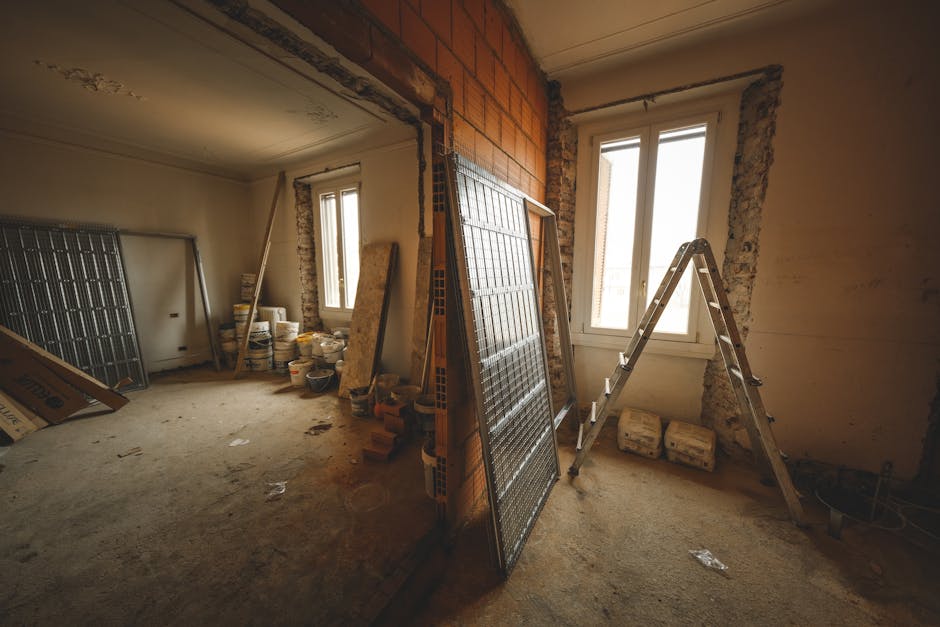
Office layouts can also include fixed or semi-fixed fittings such as shelving, partitions, and storage modules. These require careful judgement, especially where a tenant needs to preserve part of a fit-out or leave the premises in a specific condition. We work from the practical condition of the site rather than a one-size-fits-all method, so the removal plan can reflect what is actually present. If you need a particular area left clear, the job can be organised around that outcome.
For many customers, the key consideration is how much furniture and equipment is being removed and how it is distributed through the building. A smaller clearance in one room is different from a multi-floor job with several departments. Typical planning points include access routes, lift use, parking limitations, floor protection, and whether the site will remain partly occupied. Those details shape both the method and the quotation, so they are worth setting out clearly at the outset.
IT equipment, records and sensitive workplace items

Many offices contain items that need a little more care than ordinary furniture. Computers, monitors, printers, routers, phones, and associated cabling can be gathered during an office clearance, but they should be handled in a way that respects the nature of the equipment. Paper records, folders, binders, and archived material may also require special sorting, especially when a business is reducing storage or clearing long-held files from cupboards and cabinets. A sensible process helps prevent unnecessary mixing of different waste types.
Where an office has built up older technology over time, the clearance may include mixed generations of equipment and peripheral items. A practical approach is to identify what is reusable, what should be recycled, and what needs careful disposal. That can be especially important in workspaces where devices have been stored for years or left in back rooms. It is not only about removing volume; it is also about making sure the clearance reflects the type of material being handled.
Before the job begins, it helps to note any items that are not to be touched, any equipment that must remain connected until a certain date, and any boxes or files that need to stay in sequence. A simple inventory, a few photographs, and clear access details are often enough to support a useful quotation and a smoother visit. These details make it easier to match the clearance plan to the actual site conditions.
Office clearance planning for busy premises
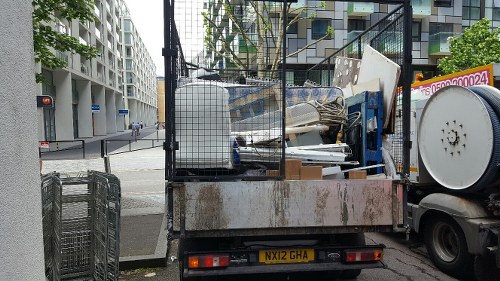
Offices are often still in use while clearance work is being arranged, so timing matters. A careful plan helps reduce interruption to staff, visitors, and ongoing operations. Some clearances are carried out in stages, with one section completed before another begins; others are best handled in a single visit where the site is already empty. The most suitable method depends on the size of the workspace, the amount of material involved, and the level of access available.
Commercial customers often want the process to feel predictable, which is why clarity around access, loading, and item grouping is useful. When furniture and waste are spread across several rooms, it can help to separate materials into obvious categories before the team arrives. That does not need to be complicated. The aim is simply to make the job more efficient and to reduce the chance of time being spent identifying what goes where. Simple preparation can make a large difference on the day.
Useful information for a quotation usually includes the number of rooms, the approximate amount of furniture, whether stairs are involved, and whether the clearance is for part of a floor or an entire office. Two brief points are often enough:
- what needs removing
- what needs to remain in place
- when access is available
Furniture removal and internal clearance options
Office clearance is not only about waste; it can also be about removing the right items so the space can be used differently afterwards. Some customers want old furniture taken away before new desks arrive. Others need a complete strip-out before a lease handback or refurbishment. In both cases, the work is more effective when the clearance is organised around the final purpose of the room rather than around disposal alone. That keeps the result aligned with the wider business plan.
Where furniture remains in good condition, there may be scope to separate it from damaged or unsuitable pieces. This is often relevant in offices that are changing layout, merging teams, or updating furnishings in stages. Our role is to manage the removal in a way that makes the process orderly and manageable. We also handle mixed loads where office furniture sits alongside general items such as kitchen contents, display materials, boxes, and miscellaneous workplace equipment. Furniture clearance can be a useful part of a broader office job when larger items dominate the space.
Businesses sometimes need help beyond the office floor itself. Storage cupboards, side rooms, basements, and adjoining areas can all accumulate items that were never part of the main working space, yet still need clearing before a property is handed over. In those cases, a wider approach can be more efficient than arranging several small visits. If the office is part of a larger workplace, the clearance can be planned to cover the relevant areas in one sequence rather than piecemeal.
Responsible sorting, recycling and disposal

A well-run office clearance should make sensible decisions about what happens to the removed items after collection. Furniture, metal storage units, cardboard, paper, and selected workplace materials may all be sorted differently. The goal is to keep the process practical while avoiding unnecessary disposal of materials that could be separated. This is especially relevant where a clearance produces a mixed load from several departments or from an office that has been occupied for many years. The more varied the contents, the more useful orderly sorting becomes.
Different materials call for different handling. Paper records, archive boxes, and office consumables are not treated in the same way as desks or partitions. Electronics also need distinct attention because they are not the same as ordinary furniture waste. That is why a single office clearance can involve several stages of sorting once the items have been removed from the building. It is not a matter of adding complexity for its own sake; it is simply the most sensible way to deal with a varied workplace load. Good sorting supports a cleaner finish and a more manageable disposal route.
Recycling and sustainability is relevant to businesses that want to understand how removed office material is handled more broadly. If you are comparing options or preparing for a larger change, it can help to request a quotation and explain the mix of furniture, equipment, and general office waste that needs attention. That lets the work be scoped properly from the start, without guessing at what will be involved.
About Dulwich
Dulwich is a district in south London known for a distinctive blend of village-like streets, parkland, education, and cultural institutions. The area is commonly associated with Dulwich Village, East Dulwich, and West Dulwich, each with its own character and building pattern. Historic development in the district is closely tied to the Dulwich Estate, which helped shape the layout and appearance of much of the neighbourhood over time. That influence can still be seen in the mix of planned streets, open spaces, and established residential roads that sit alongside local shops and community facilities. The area is also notable for its green setting, with Dulwich Park providing a large open landscape that is popular for walking and leisure. Nearby, Belair Park and Sydenham Hill Wood add to the sense of greenery that distinguishes much of the district from denser central London locations. Dulwich Picture Gallery is one of the best-known cultural landmarks in the area; it opened in 1817 and is widely recognised as the world’s first purpose-built public art gallery. The gallery, together with local theatres, schools, churches, and sports grounds, contributes to a strong civic identity. Rail links at stations including North Dulwich, West Dulwich, and East Dulwich connect the district with surrounding parts of London, while its streets retain a varied architectural mix of period houses, interwar development, and later infill. The result is a place with a settled residential feel, but also a lively everyday rhythm shaped by education, culture, and access to open space.
Pricing factors and quotation details
Office clearance pricing is usually shaped by a few practical factors rather than by a single fixed rule. The volume of items, the type of materials, access to the premises, and whether the job covers one room or several floors can all affect the scope of work. Stairs, tight loading access, and mixed contents can also influence how long the clearance will take and how the operation is arranged. That is why a clear description of the site is useful when asking for a quotation. It helps the response reflect the actual job rather than a rough assumption.
It can also help to say whether the clearance is linked to an end-of-lease handback, refurbishment, relocation, or general decluttering of business premises. Those situations may require different priorities even when the amount of material is similar. For example, one customer may need a straightforward furniture removal, while another needs a more careful emptying of archives, fixtures, and equipment from several rooms. The clearer the purpose, the easier it is to frame the right service. Being specific saves time on both sides, especially where access or timing is limited.
For a quotation, a short outline of the items, a note of the floor or entrance involved, and the preferred timing is usually enough to begin. If the workspace contains a mixture of furniture, records, IT items, or unwanted stock, mention that in the same message. You can request a quotation with those details and then decide how best to move forward once the clearance scope is clear.
Why businesses choose a structured office clearance
A structured approach is valuable because offices rarely contain a single type of item. A desk may sit beside box files, storage cabinets, computer accessories, and packaging, all of which need different handling once removed. When the process is organised properly, the workspace can be cleared in a logical order, making it easier to keep track of what has been removed and what still remains. This is particularly helpful in occupied premises, where disruption needs to be controlled.
Another advantage is that a planned clearance can support better decision-making before the job starts. If an item is uncertain, it can be identified in advance rather than dealt with on the day under pressure. That is especially useful for shared offices, managed buildings, and multi-tenant spaces where access and responsibility may need to be coordinated. The work becomes simpler when people know what the clearance is intended to achieve. If you are ready to move ahead, contact us to outline the scope and ask for a quotation.
For many customers, the best result is not simply an empty room but an office that has been cleared in a way that feels organised and fit for the next stage. That may mean preparing for new tenants, creating a cleaner handover, or making space for a refreshed working layout. A properly managed clearance supports that transition by dealing with the practical removal work in a steady, controlled manner.
Office and waste removal support
Some customers want a more general removal service alongside office clearance, especially where the site contains mixed non-structural waste as well as standard workplace items. In those cases, it can be useful to separate the core clearance from any broader waste stream so each part is handled appropriately. Mixed waste does not need to become complicated, but it does benefit from a clear breakdown of what is involved. That keeps the job aligned with the actual contents of the premises rather than treating everything as identical.
When office clearance is part of a wider clean-out, the value of a careful plan becomes even more obvious. Rooms may contain a combination of old supplies, packaging, storage items, and general refuse that has built up over time. It is usually better to approach those loads with a sensible sequence: identify the main bulky items first, then address the smaller materials that remain. This allows the clearance to stay controlled and prevents useful items from being overlooked. Office clearance can therefore be a practical starting point when the whole workspace needs attention.
There are also cases where businesses want to keep the process as discreet as possible. That can matter in shared buildings, serviced offices, or premises with other tenants nearby. A tidy, organised clearance method helps because items are removed in a purposeful order rather than being handled in a rushed or scattered way. The result is a more manageable handover and a cleaner working environment once the clearance is complete.
Preparing the site and asking for the right help
Good preparation does not need to be extensive. In many cases, it is enough to walk through the rooms and identify the main items that need removing, any items that must stay, and any access points that may affect loading. If a workplace is still active, it can also help to mark out items that should not be moved so there is no confusion later. Those are simple steps, but they support a cleaner and more accurate clearance plan. The aim is not to overproduce paperwork; it is to make the job straightforward.
Useful information usually falls into a few categories: what needs clearing, how much of it there is, where it is located, and whether the premises are occupied or empty. If there are heavy items, delicate materials, or time limits connected to the building, mention those as well. That gives a clearer picture of the work and allows the quotation to be based on real conditions. When office space needs to be cleared efficiently, plain details are often the most helpful. You can also view pricing and quotes if you want to understand the quotation process in more detail before making contact.
Whether the job involves one office or several connected rooms, a well-scoped request makes it easier to plan the removal carefully. If you would like to discuss a workspace in Dulwich, the next step is simple: send the details, explain the items involved, and ask for a quotation. A clear brief helps turn a mixed clearance into a manageable, practical job.