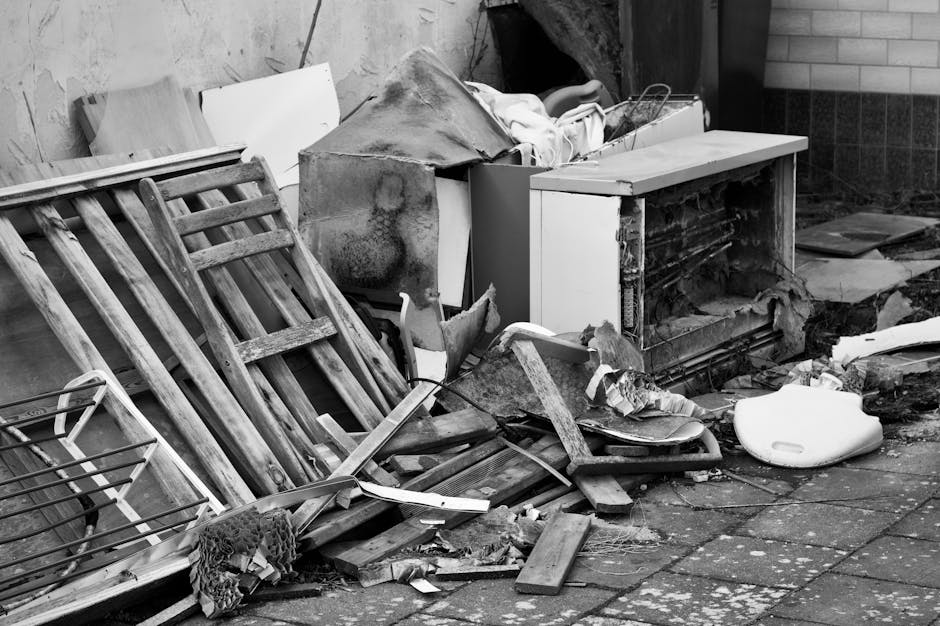
Hoarder clean-up steps for Dulwich flats with pest risks
When a flat in Dulwich has become heavily cluttered, and there are signs of mice, cockroaches, fleas, or even just that unmistakable stale smell, the job stops being a simple tidy-up. It becomes a careful, staged clean-up that needs planning, patience, and a proper eye for safety. Hoarder clean-up steps for Dulwich flats with pest risks are about more than clearing space. They are about reducing health hazards, protecting the building, and making the flat liveable again without making the mess worse halfway through.
That can sound overwhelming, and to be fair, it often is. A compact flat, shared hallways, limited parking, stairs, neighbours nearby, maybe no lift - the whole thing can feel like a lot. But with the right sequence, the process becomes manageable. This guide walks through what to do, why it matters, how the clean-up usually works, and the mistakes that tend to trip people up. If you need a broader service alongside the clearance, you may also find flat clearance support helpful, especially when bulky items, bagged waste, and contaminated contents all need removing in one go.
Table of Contents
- Why hoarder clean-up in pest-affected Dulwich flats matters
- How the clean-up process works
- Key benefits and practical advantages
- Who this is for and when it makes sense
- Step-by-step guidance
- Expert tips for better results
- Common mistakes to avoid
- Tools, resources and recommendations
- Law, compliance, standards and best practice
- Options, methods and comparison table
- Case study or real-world example
- Practical checklist
- Conclusion
- Frequently asked questions
Why Hoarder clean-up steps for Dulwich flats with pest risks Matters
In a flat, clutter and pest activity tend to reinforce each other. Food scraps get missed. Bags sit unopened. Dead insects or droppings can end up hidden behind furniture. Before long, the problem is no longer just visible mess; it is a hygiene issue, a property issue, and sometimes a neighbour issue too. In Dulwich, where many flats sit close together, one affected property can become awkward for the people next door very quickly.
Pest risks also change the tone of the job. A normal clearance might be about speed and volume. Here, you need control. You need to know what is safe to touch, what should stay sealed, what may need special handling, and how to avoid spreading pests into hallways, shared bins, or the vehicle used for removal. That is the big difference. Mess alone is one thing. Mess with pests is another altogether.
There is also the emotional side, and it should not be brushed aside. People are often embarrassed. Families may have delayed action because they did not know where to begin, or because the person living there was resistant to help. That is normal. Honestly, more normal than many admit. A well-structured clean-up can turn a situation that feels shameful into one that feels solvable.
Expert summary: The safest approach is to work in stages, separate salvageable items from contaminated ones, keep pathways clear, and treat pest signs as a hygiene and containment issue first, not just a disposal problem.
If the flat contains worn sofas, broken wardrobes, mattresses, or heavily soiled furniture, it may be useful to combine the clearance with furniture disposal so damaged items are taken away properly rather than left to sit around for another week. That small decision can change the pace of the whole project.
How Hoarder clean-up steps for Dulwich flats with pest risks Works
A proper clean-up follows a sequence. Not glamorous, but very effective. First comes assessment: what is in the flat, how much can be moved safely, where pests are likely active, and whether any areas should be avoided until they are inspected. Next comes containment, which means protecting hallways, lifts, neighbouring flats, and the route out of the building. Then comes sorting, bagging, removal, and final sanitising.
In practice, that sequence may be broken into smaller sessions. That is especially true in flats with limited access or when the resident needs reassurance and time to make decisions about possessions. You do not want everything tipped into one giant pile outside the door. That just creates stress and often makes contamination worse. A bit of order goes a long way.
For Dulwich flats, access and timing matter more than people expect. Shared entrances, residents coming and going, and narrow stairwells can all affect the plan. It is often better to schedule the work in a way that avoids busy periods and allows enough time for careful loading, cleaning, and waste handling. If the job expands beyond one flat and includes communal clear-outs or wider property support, a home clearance approach may be more suitable than a quick one-off uplift.
One thing worth saying plainly: the clean-up is usually easier when the space is not being judged in the moment. That sounds minor, but it matters. People make better decisions when they are not rushing and when the room has been broken into smaller tasks. That is why the process should feel controlled, not rushed.
Key Benefits and Practical Advantages
There are some obvious benefits, and a few less obvious ones.
- Reduced health risk: Clearing food waste, nesting material, and contaminated items helps reduce the conditions pests thrive in.
- Better access: Paths to windows, sinks, radiators, and exits are restored, which makes the flat easier to inspect and clean.
- Less spread to neighbours: In a flat block, containment matters. A controlled removal reduces the chance of pests or debris moving into shared areas.
- More accurate next steps: Once clutter is removed, it is easier to see where the pest problem is coming from and what needs attention next.
- Emotional relief: This is a big one, really. The space starts to feel possible again.
There is also a practical financial angle, although it is not usually the first thing people think about. When clear-up is done badly, items can be damaged, missed, or dragged out in stages, which can lead to repeat visits and more expense. A planned removal, combined with sensible sorting, tends to be more efficient. Not fancy. Just efficient.
For some households, a clearance also becomes a turning point. The person involved might not be ready for a full lifestyle overhaul, but seeing one room cleared often changes the mood. A bedroom regains its floor. A kitchen worktop is visible again. It is a small win, but sometimes that is enough to keep momentum going.
If you want to understand how responsible disposal fits into the picture, the site's waste removal service page is a sensible place to look for the wider handling side of things.
Who This Is For and When It Makes Sense
This type of clean-up is for more people than you might think. It is not only for severe hoarding cases. It can also help when clutter has built up over time, pests have shown up after a leak or food spill, or a tenancy is ending and the flat needs to be made safe again.
- Residents who feel unable to tackle the flat alone
- Family members supporting an older parent or vulnerable relative
- Landlords dealing with an unsafe or heavily cluttered flat
- Executors handling a property after bereavement
- Housing managers needing a practical clear-down before inspection or repair
- Anyone who has found signs of pest activity alongside heavy accumulation
Sometimes the trigger is a very ordinary thing: a broken fridge, a mouse sighting, or a hallway smell that someone finally decides not to ignore. That is often the point when action makes the most sense. Waiting rarely helps. It usually just gives pests more time and clutter more room to spread.
If the issue is broader than one room, or if furniture, textiles, and general household items all need clearing at once, a full house clearance model can be useful even for a flat, because it gives you a more complete, room-by-room approach.
Step-by-Step Guidance
Here is the practical sequence most people find easiest to follow. It is deliberately simple, because complicated plans tend to collapse by lunchtime.
1. Start with a safety walk-through
Before moving anything, identify obvious hazards: sharp objects, broken glass, exposed mould, pest droppings, spoiled food, and anything wet or leaking. Check whether the floor is stable and whether there are clear exits. If there is a strong ammonia smell, large amounts of droppings, or heavy contamination, stop and reassess. No heroics.
2. Separate the flat into zones
Do not try to process the whole flat at once. Divide it into manageable zones such as kitchen, hallway, bedroom, and living room. In a smaller Dulwich flat, even a single room may need to be split again into corners or furniture groups. This makes the job less intimidating and helps prevent items from being shuffled endlessly from one spot to another.
3. Create three clear categories
A useful rule is simple:
- Keep: items in good condition that can be cleaned safely
- Dispose: broken, contaminated, or pest-affected items
- Unsure: anything that needs a second look before deciding
That last category matters. It stops people from making emotional decisions under pressure. A stack of letters, for example, may look like rubbish until someone notices it contains important documents. It happens all the time.
4. Bag contaminated waste separately
Any waste with droppings, insects, dampness, mould, or spoiled food should be bagged carefully and sealed promptly. Double-bagging is often sensible where contamination is visible. Keep these bags away from cleaner possessions. The aim is containment, not just tidiness.
5. Move bulky items out in a controlled order
Take out the biggest obstructive items first if they are blocking access, but do not strip the flat in a way that throws dust and debris everywhere. Mattresses, damaged sofas, and broken shelving can often be removed once walking routes are clear. If a lot of large items are involved, it may help to plan around furniture clearance so the team can remove them efficiently rather than improvising on the spot.
6. Clean surfaces after each zone is cleared
Once a section is emptied, clean it before moving on. That way you are not recontaminating already-finished areas. Vacuum where safe, wipe hard surfaces, and remove crumbs or residue. For pest-prone flats, the order matters more than the brand of cleaning spray, truth be told.
7. Check hidden pest hotspots
Look behind appliances, under sinks, around skirting boards, inside forgotten bags, and near food storage areas. Pests love still, hidden corners. They do not usually pick the neat centre of the room, which is rude of them but predictable.
8. Finish with waste removal and follow-up cleaning
Once the flat is sorted, remove all waste promptly and arrange a follow-up clean or treatment if pests are still active. Sometimes the pest issue will not fully resolve until an infestation is addressed separately. That is normal. The clearance creates the right conditions for the next stage, but it is not magic on its own.
Expert Tips for Better Results
Some of the best results come from small, practical choices. Nothing dramatic.
- Work from clean to dirty: Preserve the clearer parts of the flat by starting there, then move into the worst areas.
- Keep a decision box: Use one box for items you are not ready to throw away. This prevents dead time while people debate over old cables and chipped mugs.
- Photograph important items before sorting: Useful for relatives, executors, or landlords who need a record.
- Protect the route out: Hallways and stairwells should stay as clear as possible to avoid spreading debris.
- Use a calm pace: Fast clearing can be messy clearing. There is a difference, and it shows.
- Plan for bin capacity: Flat clear-outs can generate more waste than expected. Know where it is going before you start.
A tiny but real tip: have water and gloves close to hand, and make sure someone knows where the bagged waste is being staged. It saves time and avoids that awkward moment when three bags somehow end up in the bathroom for an hour. Not ideal.
For residents who are trying to avoid repeat clutter build-up, aftercare matters too. Storage should be kept simple, and essentials should be easy to reach. If the flat becomes a little easier to live in, maintenance gets easier as well. That is the point, after all.
Common Mistakes to Avoid
These are the ones that cause headaches.
- Starting without an assessment: If you do not know where the pests are or what contamination exists, you can spread the problem around.
- Mixing clean and contaminated items: One wet bag of waste can spoil a whole set of salvaged belongings.
- Clearing too quickly: Speed without sorting leads to regret. People often realise too late that documents, photos, or keys were lost.
- Ignoring communal areas: In a block of flats, hallways and doorways need attention too.
- Leaving food waste until the end: Food waste should be handled early where possible, because pests respond to it fast.
- Assuming pests will disappear after clutter is gone: Sometimes they do not. You still need a follow-up plan.
Another common mistake is trying to "just have a look" and then getting stuck in emotional decision-making. That can be a very human trap. You open one cupboard, find twenty old items, and suddenly the afternoon is gone. Better to set small goals and stop at them.
Tools, Resources and Recommendations
You do not need an elaborate toolkit, but the basics should be right.
- Heavy-duty gloves
- Sealable sacks or strong refuse bags
- Boxes for sorting keepsakes and documents
- Labels or marker pens
- Face covering where dust or droppings are present
- Cleaning cloths and disinfectant suitable for the surface
- Torches for dark corners and behind furniture
- Basic hand sanitiser and handwashing access
It also helps to have a disposal plan before starting. If items are bulky, broken, or too contaminated to keep, they should not sit in the hallway while everyone thinks about it. A scheduled removal is cleaner and calmer. For local residents who want a broader sorting and uplift service, home clearance support can be a useful route when the job extends across multiple rooms or includes mixed household contents.
As a wider planning step, it is worth checking whether the building has any practical restrictions, such as access times, lift use, or waste staging rules. Those details can make a surprisingly big difference in a flat environment. A five-minute check now saves a lot of awkwardness later.
Law, Compliance, Standards, or Best Practice
This kind of work touches on health and safety, waste handling, and sometimes tenancy or property management duties. The exact legal position will depend on who owns the flat, who occupies it, and how waste is being removed, so it is wise to treat the details carefully rather than assume one rule fits everything.
In the UK, best practice usually means handling waste responsibly, keeping contaminated materials contained, and avoiding hazards for workers, residents, and neighbours. If pest activity is significant, there may also be a need for separate pest control advice or building management involvement. Clearance alone is helpful, but it is not a substitute for dealing with the underlying infestation where one exists.
Where a commercial or managed property is involved, documentation can be useful. Simple records of what was removed, what was left in place, and what condition the flat was in can help with follow-up decisions. That is especially true if there is a dispute later. Nobody enjoys paperwork, but sometimes it saves a lot of grief.
For those concerned about how the work is carried out, the company's health and safety policy and insurance and safety information are relevant reading. Responsible disposal and recycling also matter, especially when a large amount of mixed household waste is being cleared; the recycling and sustainability page gives a useful sense of that approach.
Options, Methods, and Comparison Table
Different situations call for different approaches. Here is a simple comparison to help you decide what fits best.
| Approach | Best for | Strengths | Limitations |
|---|---|---|---|
| DIY clean-up | Light-to-moderate clutter with minimal contamination | Lower cost, full control, flexible pace | Can be slow, emotionally draining, and risky if pests are active |
| Family-supported clean-up | Cases where the resident wants help but not a full service | Supportive, personal, less intimidating | Can stall without clear roles and boundaries |
| Professional clearance | Heavy clutter, pests, bulky waste, or access challenges | Faster, more controlled, better for large volumes | Requires scheduling and trust in the team |
| Combined clearance and disposal | Mixed furniture, waste, and household contents | Efficient for bigger jobs and fewer handovers | Needs good planning before the visit |
For a lot of Dulwich flats, the practical sweet spot is a combined approach: family or resident input for decisions, plus professional removal for the heavy lifting. That keeps the emotional part human and the physical part efficient. A decent compromise, really.
Case Study or Real-World Example
A recent-style scenario is easy to picture. A one-bedroom flat near a busy South London street has become difficult to enter properly because bags, old boxes, and a few pieces of damaged furniture have built up in the living room and hallway. The resident reports mouse droppings near the skirting and a smell from a kitchen cupboard. Nothing dramatic on first glance, but enough to make everyone uneasy.
The clean-up begins with the hallway so the exit stays open. Food waste and obviously contaminated items are bagged first. Papers, keepsakes, and electronics are separated into a "review later" box. Then the bulky furniture is moved out, followed by surface cleaning in each cleared area. The flat does not become perfect in one afternoon. It does become safe enough to breathe in, move around, and assess properly.
That is the real win. Not perfection. Progress. A resident can start again with one clear room, then build from there. You often notice the difference most in the first quiet morning afterwards, when the flat smells less stale and the floor is visible again. It sounds small, but it changes how the space feels.
Practical Checklist
Use this before and during the clean-up.
- Confirm who is involved and who can make decisions
- Check for visible pest signs, damp, mould, or broken glass
- Protect walkways and keep the exit clear
- Gather gloves, bags, boxes, and cleaning supplies
- Sort items into keep, dispose, and unsure
- Bag contaminated waste separately
- Remove bulky furniture in a controlled order
- Clean each zone after it is cleared
- Check hidden pest hotspots behind and under furniture
- Arrange waste removal and any follow-up pest treatment
- Record anything important that has been set aside
If you can do only three things today, do these: clear the exit, isolate contaminated waste, and remove the biggest blocked item. That alone can make the flat feel less trapped.
Conclusion
Hoarder clean-up steps for Dulwich flats with pest risks work best when they are calm, staged, and safety-led. The aim is not just to empty a room. It is to reduce contamination, protect neighbours, make the flat accessible again, and create the conditions for proper cleaning or pest control if needed. Once you strip away the panic, the process is straightforward: assess, contain, sort, remove, clean, and follow up.
That may sound simple on paper. In real life, it can be emotional, tiring, and a bit messy in the middle. But it is manageable. Start small, keep the route clear, and let each step make the next one easier. That is usually how the job turns around.
Get a free quote today and see how much you can save.
If you want a straightforward next step, speak to the team through the site's contact page or review the pricing and quotes information first. A good clean-up starts with a clear plan, and a clear plan is much kinder on everyone involved.
Frequently Asked Questions
What should I do first in a hoarder flat with pest signs?
Start with a safety assessment and clear an exit path. Do not begin by pulling everything out at once. Contaminated items, droppings, broken glass, or spoiled food should be identified early so they can be contained rather than spread around.
Can I clear a pest-affected flat myself?
Sometimes, yes, if the clutter is limited and the contamination is mild. But if there are strong odours, large amounts of waste, or active pest signs, a more controlled approach is usually safer and less stressful.
How do I stop pests spreading during the clean-up?
Keep waste sealed, avoid dragging bags through clean rooms, and protect hallways and shared areas. Work in zones and clean each area before moving on. That is the simplest way to keep the problem contained.
Should I throw away furniture if pests have been seen?
Not always, but damaged, soft, or heavily contaminated furniture is often better removed. Mattresses, fabric sofas, and badly soiled items can be difficult to clean properly and may keep harbouring pests.
How long does a hoarder clean-up usually take?
It depends on the size of the flat, how much clutter there is, and whether pests or contamination are involved. A small flat can still take several hours or more if the sorting is careful and the access is awkward.
Do I need pest control before or after the clearance?
It depends on the situation. In many cases, the clearance and pest control work best together, or in a sensible sequence. If clutter is blocking access, removal first may be needed so the pest issue can be properly assessed.
What if the resident does not want to part with items?
That is very common. Use small decisions, not big ones. Set aside a review box for uncertain items and focus first on safety, access, and contaminated waste. People often find decisions easier once the space starts to improve.
Are there special rules for waste from a pest-affected flat?
Waste should be handled carefully and disposed of responsibly. Contaminated items should be sealed and kept separate where possible. If you are unsure, it is best to treat anything with droppings, damp, or infestation signs as contaminated.
What signs mean the problem is more than a simple tidy-up?
If there are smells, droppings, insects, food waste, blocked walkways, or mould, it is no longer a simple tidy-up. At that point, you are dealing with a hygiene and safety issue, not just clutter.
Can a clearance help with neighbour complaints?
Yes, often it can. In flats, clutter and pests can affect shared hallways or nearby homes. A careful clean-up can reduce the source of the complaint and make it easier to address any follow-up issues properly.
What is the best way to prepare for a professional clearance?
Decide what must be kept, identify anything fragile or private, and mention pest concerns in advance. That helps the team plan the right equipment, timing, and handling method before they arrive.
Where can I find more information about the service area and company?
Start with the company's about us page if you want to understand the approach, or review the flat clearance service for a closer fit to this kind of job.