Lordship Lane pop up shop rubbish removal plan for small businesses
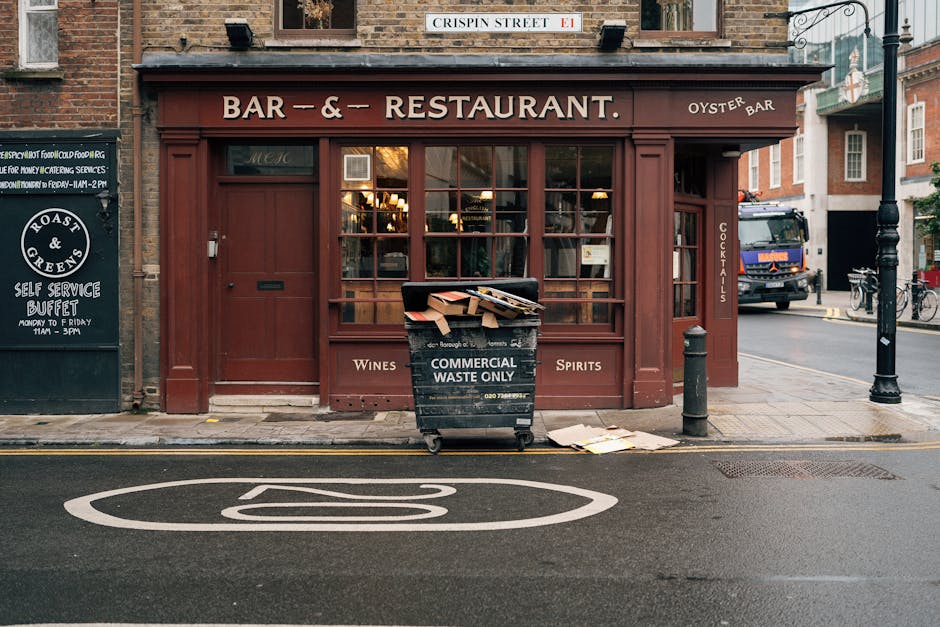
Running a pop-up shop on Lordship Lane can feel brilliantly exciting and a bit chaotic at the same time. One minute you are unpacking stock, the next you are staring at a pile of cardboard, broken display wrap, food packaging, old fittings, and that awkward "where on earth does this go?" heap behind the counter. A solid Lordship Lane pop up shop rubbish removal plan for small businesses keeps the messy part under control, protects your trading space, and helps you stay on the right side of business waste rules without losing your sanity.
This guide breaks the whole thing down in plain English. You will get a practical plan for clearing waste, handling compliance, choosing the right removal method, and avoiding the little mistakes that cause big headaches later. Truth be told, most pop-up waste problems are not dramatic. They are just repetitive, annoying, and entirely avoidable with a bit of structure.
Why Lordship Lane pop up shop rubbish removal plan for small businesses Matters
Pop-up shops live and die by presentation. Customers notice clutter. They notice overflowing bins. They notice if the back corner looks like a stockroom after a storm. And on a busy street like Lordship Lane, where footfall and first impressions matter, waste management is not a side issue. It is part of how your shop feels.
A clear rubbish removal plan matters for three very practical reasons:
- Space: small units fill fast, especially when you are using temporary displays, promotional packaging, or seasonal stock.
- Speed: you often need rubbish gone quickly so the shop can keep trading smoothly.
- Compliance: business waste should be managed separately from household waste, and you need a sensible method for storing, moving, and disposing of it.
There is also the customer side of it. A tidy pop-up feels curated and professional. A messy one feels temporary in the wrong way. You can have fantastic products, warm service, and a clever fit-out, but if black bags are piled behind the till, the whole experience slips. That is the bit people remember. A shame, really, because it is one of the easiest problems to prevent.
For small businesses in particular, waste planning is tied to cash flow. Every extra trip, every rushed collection, every last-minute skip decision can become an avoidable cost. A thoughtful plan helps you balance convenience with budget, and that balance is often the difference between a smooth week and a stressful one.
How Lordship Lane pop up shop rubbish removal plan for small businesses Works
A good pop-up rubbish removal plan is not complicated, but it does need to be structured. Think of it in layers: what comes in, what gets kept, what gets reused, what gets removed, and when each step happens. If you do this properly from the start, the whole shop runs more calmly. You will notice it in the mornings, especially when you are opening fast and the kettle is still warming up.
At a practical level, the plan usually covers:
- Waste sorting: separate cardboard, mixed rubbish, food waste, packaging film, and reusable materials where possible.
- Storage: decide where waste will sit during the trading day so it does not block customer areas or fire routes.
- Collection timing: choose daily, weekly, or same-day removal depending on volume.
- Transport and disposal: make sure rubbish is taken to an appropriate facility or transferred by a licensed operator if required.
- Cleaning and reset: leave enough time after removal for a quick tidy-up so the shop is ready for the next trading spell.
In many pop-up settings, the most efficient approach is a mixed system: cardboard collapsed on the spot, small bins for day-to-day litter, and scheduled removal for larger bulky waste or end-of-run clearance. That way you are not paying for urgent uplift every time a few boxes stack up by the till.
If the space is shared, the plan needs one more layer: coordination. It sounds obvious, but shared access, shared corridors, and shared loading areas can become messy very quickly if nobody agrees who puts out what and when. A five-minute conversation before opening can save a forty-minute clean-up after closing. Ask anyone who has been there.
Key Benefits and Practical Advantages
The best rubbish removal plan is the one that quietly makes everything else easier. You do not want waste management to become a project in itself. You want it to disappear into the background while the shop does its real job.
Cleaner customer experience
A neat floor, clear stock areas, and hidden waste storage make the shop feel more deliberate. Customers are more relaxed in a space that looks cared for. That matters especially for pop-ups, where people are deciding quickly whether the brand feels worth exploring.
Less disruption during trading hours
If rubbish is handled in planned intervals, staff are not stopping every ten minutes to deal with packaging. That reduces interruptions. It also helps you keep entrances, display tables, and aisle spaces open for actual selling.
Better cost control
Small businesses tend to feel waste costs quite sharply because margins are tighter. A plan helps you avoid emergency removals, unnecessary skip hire, and repeated ad hoc clearances. You are basically spending where it counts, not where panic tells you to.
Safer working conditions
Loose cardboard, sharp packaging bands, broken fixtures, and overloaded bags all create small hazards. A system for removing rubbish reduces trip risks, keeps exits clear, and makes closing procedures more predictable.
Stronger sustainability practice
Many small businesses want to reuse, donate, or recycle more of what they throw away. A structured plan makes that realistic. You are not sorting everything at the eleventh hour while a delivery driver is waiting and the shutters need to come down.
Expert summary: the simplest rubbish plan is usually the best one: sort early, store safely, remove on a fixed schedule, and keep the shop floor visually clean throughout the day. Boring? Maybe. Effective? Absolutely.
Who This Is For and When It Makes Sense
This plan is useful for any small business running a temporary retail space, but it is especially relevant if you are working in a pop-up format with limited back-of-house room. Lordship Lane has the kind of local energy where retail experiments, seasonal shops, and short-run promotions can work very well. But they also create a particular kind of waste pressure.
You will probably need a plan like this if you are:
- opening a short-term fashion, gift, artisan, or lifestyle pop-up
- running a seasonal or promotional shop with heavy packaging turnover
- using part of the space for stock sorting, wrapping, or order fulfilment
- working in a unit with very little storage for cardboard and general rubbish
- sharing the premises with other traders or event organisers
- closing down after a limited run and need a final clear-out
It also makes sense if your business creates mixed waste streams. For example, a coffee-and-retail concept may produce cup waste, food packaging, napkins, delivery boxes, and display waste all in the same afternoon. That is not a disaster, but it does need planning. Without it, bins overflow and the place starts feeling like three businesses crammed into one corner.
If you are only open for a single weekend, you might think you can wing it. Sometimes you can. But the moment volume rises, or the unit gets busier than expected, that "we'll sort it later" approach becomes a nuisance. Later has a habit of turning into closing time.
Step-by-Step Guidance
Here is a practical way to build a rubbish removal plan without overcomplicating it. Keep it simple, then tighten it where needed.
1. Estimate the type and amount of waste
Start by looking at what your pop-up will actually produce. Cardboard? Soft plastic? Display wrap? Food waste? Damaged stock? Old shelving or temporary fixtures? Be honest here. People often underestimate packaging waste, and cardboard expands like it has ambitions.
2. Set up sorting zones before opening
Use clearly marked containers or sacks for different waste types. If recycling and general waste look identical, someone will mix them when the shop gets busy. That is not a moral failure; it is just how human beings work on a busy Saturday.
3. Decide what stays on site and what leaves daily
Not everything needs immediate removal. Small general waste may wait until the end of the day. Large cartons, broken fittings, and promotional packaging should usually leave faster, especially if they affect customer-facing space.
4. Build collection into the trading timetable
Do not treat rubbish removal as something extra. Put it into your opening, midday, and closing routine. Even a ten-minute reset can make the unit feel different. Clean floor, bins emptied, back area checked. Done.
5. Choose the removal method that fits the job
For light waste, bagged removal may be enough. For larger volumes, a dedicated clearance service is often more practical. For bulky stock, fixtures, or end-of-run strip-out waste, a more complete waste removal approach can save time and reduce stress.
6. Keep a simple record of what leaves
You do not need a fancy spreadsheet unless you want one. But a basic note of what was removed, when, and in roughly what quantity helps you improve the plan next time. Small businesses learn fast when they keep an eye on patterns.
7. Review the plan after the first busy spell
After a full day or weekend, ask: what filled fastest, what was harder to remove, what took too much staff time, and what could be simplified? That review often reveals one or two easy fixes. Usually something obvious, in hindsight.
Expert Tips for Better Results
Once the basics are in place, a few small improvements can make the plan much smoother.
- Collapse packaging immediately. Flat cardboard takes far less room than open boxes. Do it while unpacking, not three hours later.
- Use one waste lead per shift. It could be the manager or the opening keyholder. Someone needs to own the process.
- Keep a spare roll of bags and tape. Simple, but vital when a liner splits or a stock delivery arrives earlier than expected.
- Separate bulky items early. A broken shelf or display unit should not sit around "for now". It only gets in the way.
- Plan around delivery windows. If stock arrives in the morning and rubbish leaves in the afternoon, the space stays workable.
- Use a final close-down sweep. A five-minute last look catches hidden waste behind counters, under rails, and beside bins.
One thing we always suggest: think like a shop customer walking in for the first time. If they can immediately spot the rubbish, the plan needs tightening. Harsh? Maybe. Useful? Definitely.
And if the pop-up is near a busy stretch or narrow access point, timing matters even more. Collection windows can make the difference between a quick clear-out and a frustrating shuffle with boxes on the pavement. There is nothing glamorous about standing with a trolley in a drizzle while a van blocks the only sensible loading spot. Been there, seen that.
Common Mistakes to Avoid
Most waste problems in pop-ups do not come from bad intentions. They come from rushing, guessing, or assuming there will be enough room. Here are the mistakes that crop up again and again.
Leaving waste until the end of the run
By the last day, the shop is usually at its busiest and most cluttered. Waiting until then creates a bigger, slower, more expensive job. Removing waste in stages is almost always easier.
Mixing recyclable and general waste
Once mixed, materials are harder to separate and easier to mishandle. Even if your waste provider can manage some mixed loads, a cleaner stream is usually more efficient.
Underestimating packaging volume
Display stock often comes with more packaging than expected. That mountain of boxes after a big delivery? Yes, that one. Plan for it from day one.
Blocking access routes
It is tempting to tuck rubbish behind the counter or by the fire door. Don't. Keep walkways, exits, and service access clear at all times.
Ignoring the end-of-project clear-out
When the pop-up closes, there is often more waste than at any other point: fixtures, signage, stock, cable ties, shelves, packaging, and leftover materials. A closing plan is just as important as the opening plan.
Not checking building or landlord rules
Some units have specific rules about storage, collection timing, or loading access. A quick check upfront saves awkward conversations later.
Tools, Resources and Recommendations
You do not need a warehouse full of kit. A smart setup usually beats an expensive one. Here are the most useful practical tools and resources for a pop-up rubbish removal plan.
| Option | Best for | Strengths | Limitations |
|---|---|---|---|
| Bagged daily waste | Low-volume shops | Simple, flexible, cheap to run | Can become messy if volume rises fast |
| Recycling boxes and collapsed cardboard stacks | Packaging-heavy pop-ups | Easy to sort, saves space | Needs disciplined staff habits |
| Planned clearance visits | Medium to high waste output | Removes bulk quickly, keeps the unit tidy | Requires scheduling and access coordination |
| End-of-run full clearance | Temporary shop closures | Good for stripping out fixtures and leftover waste | More intensive than routine collection |
For businesses dealing with larger volumes or mixed commercial waste, a dedicated service such as business waste removal is often more practical than trying to manage everything internally. If the shop is fitted out with bulky stock or temporary furniture, you may also find furniture disposal useful when you need to clear benches, shelving, or display pieces.
Where the pop-up includes office-style admin space, paperwork handling, or back-room desks, office clearance can be relevant too, especially at the end of a run when multiple kinds of waste all surface at once.
For shops that care about recycling and lower-impact disposal, it is worth building the plan around reuse, donation, and sorting where possible. That makes the whole operation calmer and usually more economical. Not always glamorous, but very sensible.
Law, Compliance, Standards, or Best Practice
Waste from a pop-up shop should be treated as commercial waste, not ordinary household rubbish. That distinction matters because the handling, storage, and collection process may need to meet business waste expectations. The exact requirements can vary depending on your premises, the type of waste, and how your site is set up, so careful checking is sensible.
As a general best practice, small businesses should:
- keep business waste separate from household waste
- store rubbish safely and do not leave it in public access areas
- make sure any waste carrier or removal service is suitable for commercial use
- handle sharps, damaged items, or potentially hazardous materials with extra care
- follow building, landlord, and local site rules for loading and collection
Health and safety also matters. If your team is moving heavy sacks, awkward boxes, or broken display fixtures, the work should be done in a way that avoids strain, slips, and trips. A good waste process is not just about cleanliness; it is about preventing little accidents that waste time and money.
It is also wise to follow normal best-practice habits around recycling, secure storage, and staff training. Even a five-minute walkthrough at the start of a pop-up can help everyone understand where bins go, what gets separated, and who handles final clearance. That tiny bit of clarity saves a lot of confusion later. Especially when the shop gets busy and the music is on and everybody is trying to do three things at once.
If you want to understand the wider standards behind safe and sensible handling, it can help to review the company's health and safety policy and insurance and safety approach before booking any clearance work.
Options, Methods, or Comparison Table
The right rubbish removal method depends on your footprint, opening hours, and how quickly the waste builds up. There is no single best answer for every pop-up, which is why a simple comparison is useful.
| Method | Best for | Pros | Cons |
|---|---|---|---|
| In-house bagging and disposal | Very low waste volume | Cheap, easy to start | Staff time adds up, not ideal for bulky items |
| Scheduled collection | Regular waste output | Predictable, tidy, easier to budget | Less flexible if volume spikes unexpectedly |
| Same-day clearance | Urgent or high-volume waste | Fast, reduces clutter quickly | Can cost more if used too often |
| End-of-run full clearance | Pop-up closure or refurbishment | Catches all leftover waste in one go | Can feel disruptive if not planned well |
If your pop-up is light and tidy, scheduled collection may be enough. If you are unwrapping stock all day and the back room is filling up by lunch, same-day removal starts to make more sense. And if you are packing down the whole shop at the end of a short run, a complete strip-out is usually the least painful option.
For many small traders, the sweet spot is a mixed approach: light self-sorting during trading hours, then professional removal for the bigger items. Simple. Not flashy. Effective.
Case Study or Real-World Example
Picture a small retail pop-up on Lordship Lane opening for a three-week run. The shop sells homeware and seasonal gifts, so every delivery arrives in layers of cardboard, paper wrap, and protective packaging. During the first week, the team notices the bins filling faster than expected, especially after morning restocks. By lunchtime, the back corner feels crowded, and staff are spending too much time shuffling empty boxes around rather than serving customers.
They adjust the plan. Cardboard is flattened immediately after unpacking. One small bin is kept for general day-to-day waste, while larger packaging is bagged and removed at set times. A weekly clearance is used for bulkier items and any broken display pieces. At closing, a five-minute sweep catches loose tape, tags, and offcuts before they pile up.
The difference is not dramatic in a glamorous sense. It is better than that. The shop feels calmer. Staff move more easily. Customers see a cleaner, more polished space. And nobody has to spend the final evening in a stressy pile of cartons wondering where the last trolley went.
That is the real value of a rubbish removal plan: it quietly turns a chaotic pop-up into a controlled one.
Practical Checklist
Use this checklist before opening and throughout the run. It keeps the plan honest.
- Have you estimated what waste the pop-up will create?
- Are separate containers ready for general waste and recyclables?
- Do staff know where to place cardboard, packaging, and bulky items?
- Is there a safe area for temporary waste storage?
- Have collection times been matched to trading hours?
- Are walkways, exits, and customer routes kept clear?
- Is there a plan for end-of-run furniture, fixtures, and signage?
- Have you checked any landlord or site access rules?
- Do you know who is responsible for the final daily sweep?
- Have you arranged a service for commercial waste if needed?
If you can tick most of those off, you are already ahead of the average pop-up setup. Not perfect, maybe, but very decent. And decent waste planning is often enough to keep the whole project running smoothly.
Conclusion
A smart Lordship Lane pop up shop rubbish removal plan for small businesses is really about control. Control over space, over time, over cost, and over the impression your shop makes the moment someone walks in. The cleaner and more predictable your waste process is, the easier it becomes to focus on the thing you actually came to do: sell, connect, and make the pop-up feel worth visiting.
Keep it simple. Sort early. Remove waste before it becomes part of the scenery. Review what is not working. That is usually enough to transform the day-to-day feel of a small shop, and it saves a surprising amount of stress in the process.
Get a free quote today and see how much you can save.
Frequently Asked Questions
What is a rubbish removal plan for a pop-up shop?
It is a simple system for sorting, storing, and removing waste during the shop's run. It covers what goes where, when rubbish leaves, and who is responsible for each step.
Why do small businesses on Lordship Lane need a specific plan?
Pop-up units often have limited space and fast-changing stock. A specific plan helps prevent clutter, reduces disruption, and keeps the customer area looking professional.
How often should a pop-up shop remove rubbish?
That depends on volume. Some shops can manage with daily bagged waste and weekly bulk removal. Others need same-day collection if packaging or stock turnover is high.
Can I mix cardboard with general rubbish?
You can, but it is usually a bad idea from a practical point of view. Keeping cardboard separate is easier, tidier, and often better for recycling.
What kind of waste is most common in a pop-up shop?
Cardboard, packaging film, paper wrap, damaged display materials, retail bags, and occasional bulky items are the usual suspects. Food and drink packaging may also build up quickly.
Do I need special disposal for old shop fixtures?
Often yes, especially if the fixtures are bulky or mixed-material. Shelving, counters, rails, and display pieces can be harder to handle than ordinary rubbish.
How do I keep waste from affecting customers?
Use a back-of-house holding area, empty bins on a schedule, and keep all visible waste out of the main shopping zone. A quick end-of-shift sweep makes a big difference.
Is same-day rubbish removal worth it?
It can be, especially if your pop-up produces a lot of packaging or if the shop is small. Same-day removal is useful when clutter starts affecting trading or safety.
What should I do at the end of the pop-up?
Plan a final clearance for leftover stock, packaging, fixtures, and any damaged items. It is much easier to close down cleanly if you do not leave the biggest job until the last hour.
How can I reduce waste during the pop-up itself?
Order smarter, flatten packaging straight away, reuse display materials where possible, and choose products with less unnecessary wrapping. Small changes stack up fast.
What should I check before hiring a removal service?
Look at whether they handle commercial waste, how they manage bulky items, whether they understand access limits, and how clearly they explain pricing and timing. A little clarity upfront goes a long way.
Where can I learn more about related waste services?
It helps to compare general waste, business waste, and clearance options so you can match the service to your space. For example, recycling and sustainability guidance can help you think more carefully about what to reuse, separate, or remove.
For pop-ups that generate mixed packaging or awkward end-of-run waste, it is often worth reading up on pricing and quotes as well, so you understand how scope can affect the overall plan. Small details matter more than people think.
And if you are weighing up whether your setup needs a full clearance or just routine collection, the simplest next step is to look at the space honestly and ask: what will this look like after the busiest day? That question, oddly enough, solves a lot.